“Excellent condition” is a description, not a file of evidence. When considering a camper’s value, ask what supports each claim about it. A specification sheet, repair invoice, and installation record answer different questions. These five factors help you distinguish a documented difference from a seller’s impression.
1. Specifications: what camper is actually being offered?
A model family can contain more than one layout or equipment package. Check the exact floor plan, dimensions, slide-out configuration, and factory options against the manufacturer’s information for that model year. For motorhomes, verify the chassis and engine details as well. Avoid filling missing specifications with information from a newer brochure.
Make a note of any disagreement between the advertisement and the documents, then ask the seller to resolve it. CamperWorth’s methodology emphasizes matching type, year, brand, model, and floor plan. A familiar badge alone is insufficient evidence that two campers belong in the same comparison.
2. Condition: what is cosmetic, and what needs diagnosis?
Separate visible wear from unresolved damage. Scratched cabinet trim is an observation; the cause and extent of a soft floor need investigation. Record the location, photographs, findings, and repair status of each concern. Do not turn an unexplained stain into either a clean bill of health or an assumed repair bill.
Airstream’s moisture guidance identifies the exterior shell as a weather barrier and describes maintenance of its roof, walls, openings, and sealants. Follow your own manufacturer’s instructions. Where moisture or structural concerns remain, request a qualified assessment before assigning a financial adjustment.

3. Maintenance: what was done, and what remains?
A useful service history identifies the work, date, provider, and relevant parts. Organize completed repairs separately from recommended work and estimates that were never approved. An invoice for one appliance does not document every system, and a receipt for materials alone does not show that a repair was completed.
Tires illustrate why detail matters. NHTSA explains tire aging as changes associated with service, storage, and environmental conditions; appearance alone cannot reveal it. Keep tire identification information and any professional findings with the service records. For work still needed, obtain a specific quote rather than assigning a blanket deduction.
4. Equipment: what is installed, included, and supported?
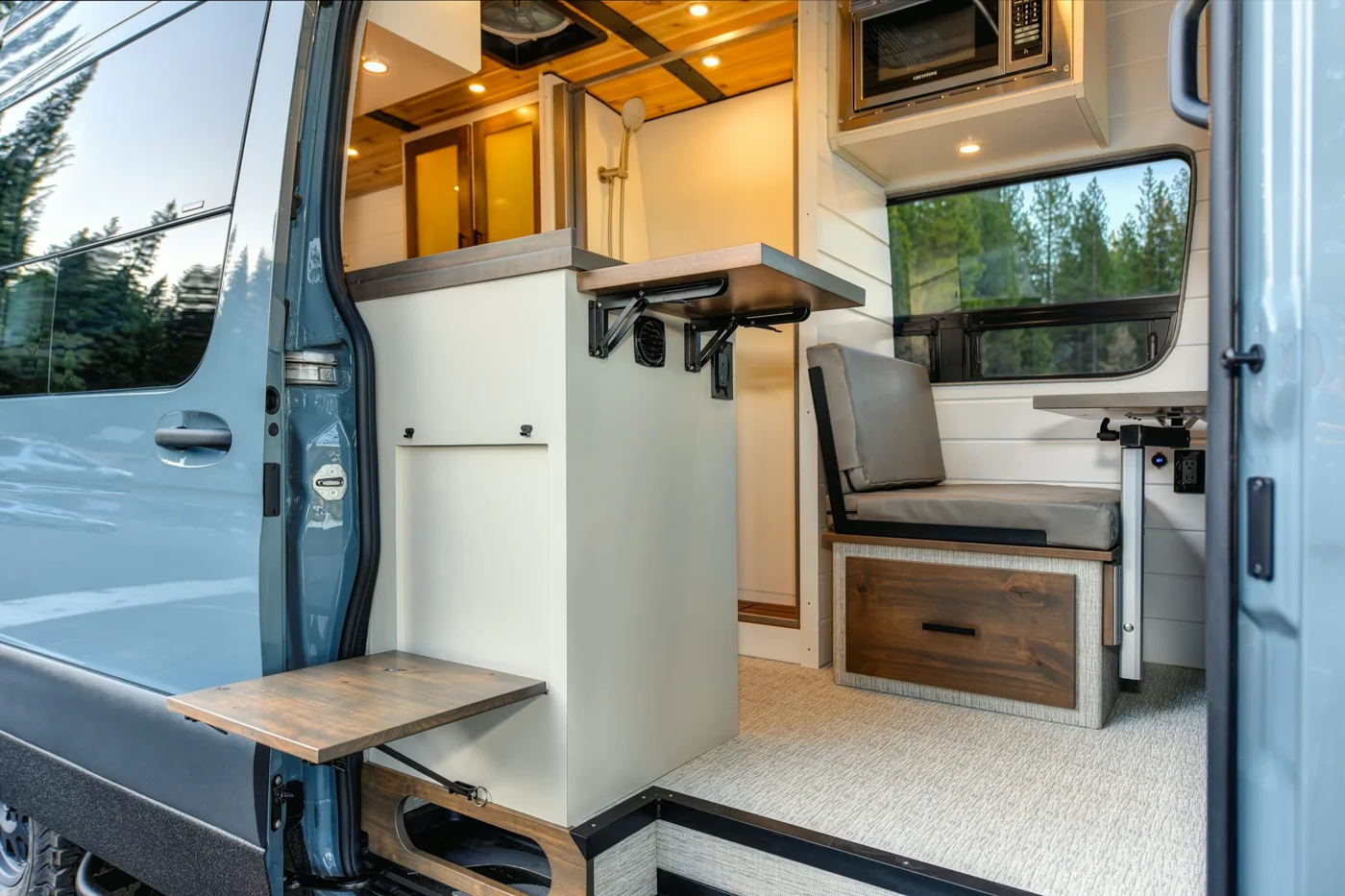
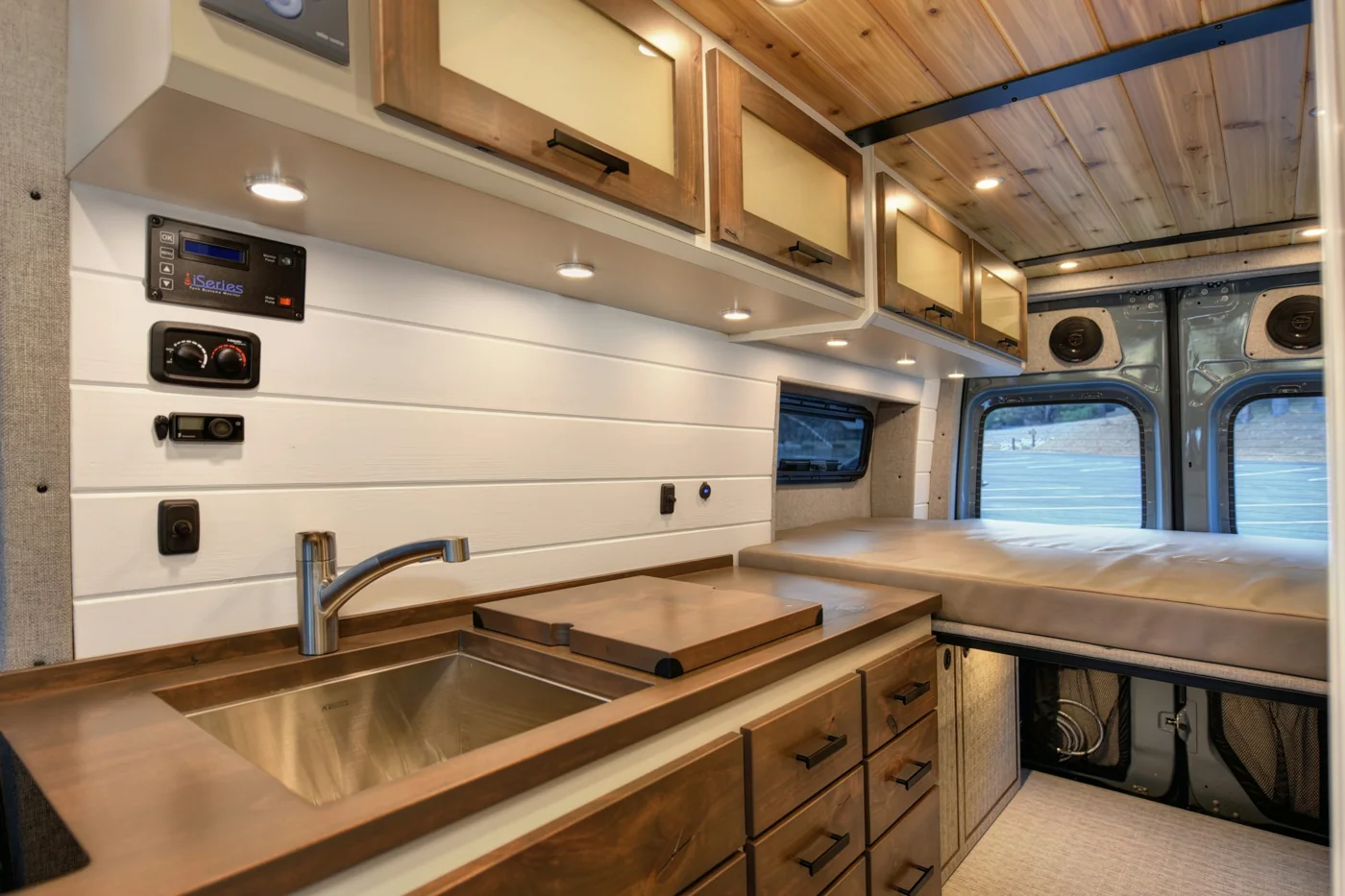
For each upgrade, record the make, model, installation date, supporting paperwork, and whether it stays with the camper. Distinguish a factory package from a later modification. Ask what has been tested, by whom, and whether any operating instructions are missing. The original purchase cost documents an expense, not a guaranteed resale premium.
Electrical and propane work deserves qualified review. A Winnebago owner’s DIY guide identifies shore-power electrical work and propane installations as areas to leave to professionals. A polished installation photograph cannot substitute for that assessment.
5. Current alternatives: what does the competing price include?
Read the offer behind a competing advertisement. Note whether the camper is available, which accessories are included, and whether the displayed price has conditions. Treat a claimed seasonal premium or local shortage as something to substantiate with current evidence, rather than a reason to apply a preset percentage.
Once your evidence folder is ready, use the step-by-step valuation worksheet to organize comparisons. If information must be gathered at a seller’s property, the used-camper inspection checklist separates safe observations from work for an inspector.
Sources and references
- Airstream: Managing moisture and preventing moisture-related damage
Exterior shell maintenance and weather-barrier components. - NHTSA: Tire safety and aging
Tire aging and professional assessment beyond tread appearance. - CamperWorth: How estimates work
Asking-price foundation and the relevance of condition, demand, and negotiation. - Winnebago: The power of DIY for RVers and tips for getting started
Manufacturer-hosted first-person guidance to leave shore-power or inverter electrical work, propane lines, and appliance installations to professionals.
Sources checked October 18, 2026. Practical comparison prompts are CamperWorth’s editorial guidance. Source organizations and pictured vehicles do not endorse CamperWorth.
Produced by CamperWorth A.I · AI-assisted educational content. This guide is not a certified appraisal, a purchase offer, a safety certification, or a substitute for qualified professional advice. Sources and editorial policy.