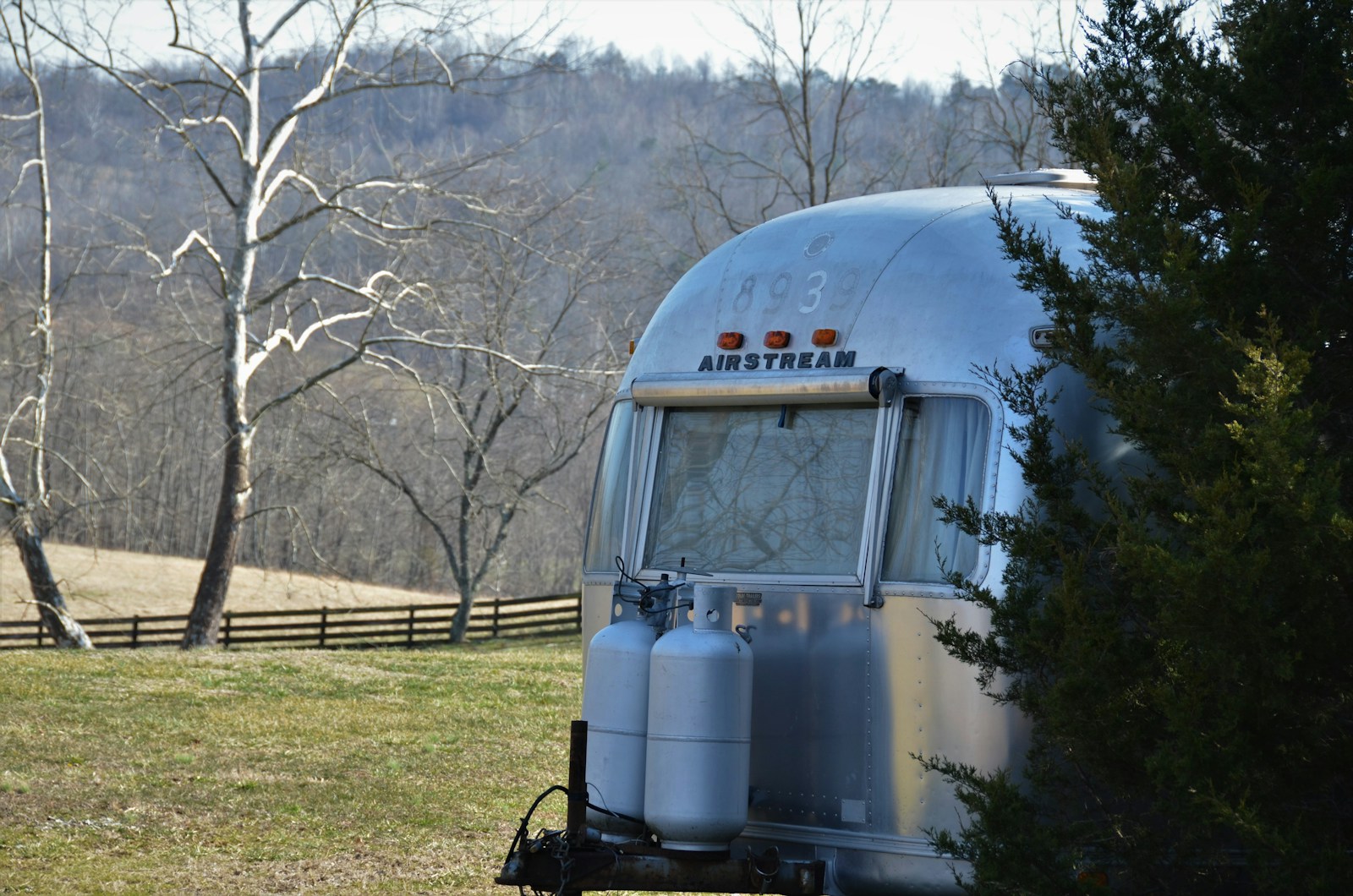
The camper looks right. The floorplan works. And the truck’s advertised tow rating sounds comfortably bigger than the trailer’s listed weight. Time to hitch up?
Pause for one more comparison: the passengers, camping gear, hitch hardware, and load the trailer puts on your vehicle. A useful match starts with your actual setup, not a headline from a truck advertisement.
1. Separate what you pull from what you carry
Ford defines payload as the allowable passenger-and-cargo load and towing capacity as the limit for a fully loaded trailer. They answer different questions. Its towing guidance also distinguishes the vehicle’s own weight limit from the combined limit for vehicle and trailer. Source: Ford towing FAQs.
Before shopping, photograph your vehicle’s labels and find the towing information for its exact model, configuration, and equipment. Save those together. A conversation with a seller is easier when you can point to your own specifications.
2. Remember that the hitch carries a load
The trailer does not put all of its weight on its own wheels. Tongue weight is the downward force at a conventional trailer’s coupler; fifth-wheel setups put a pin load into the truck. Ford’s guide includes tongue or kingpin load in the vehicle’s cargo accounting. Passengers and gear still count. Source: Ford RV & Trailer Towing Guide, Weight Limits.
3. Try a simple payload budget
Here is an invented example to show the arithmetic—not a recommendation for any truck or trailer:
- Vehicle’s labeled passenger-and-cargo allowance: 1,500 lb.
- Occupants and items charged against that allowance: 550 lb.
- Added hitch equipment and other counted gear: 150 lb.
- Allowance remaining for trailer-imposed load in this example: 800 lb.
That is 1,500 − 550 − 150 = 800. A measured trailer-imposed load above 800 lb would exceed this simplified budget. Being below it does not prove the combination is suitable: axle, vehicle, combined, trailer, tire, and hitch limits still need checking. Use the manufacturer’s accounting so installed equipment is not counted twice.
The point is to ask the question early. A spreadsheet with a few honest numbers is more useful than finding out after you have loaded everything for the weekend.

4. Compare loaded weight with the right limits
CURT distinguishes actual gross trailer weight from the trailer’s GVWR, its manufacturer-set maximum loaded weight. GCWR concerns the tow vehicle and trailer together; GAWR applies to an axle. These are separate limits, not interchangeable names for tow capacity. Source: CURT towing-capacity guide.
Ask what a listing’s quoted weight represents. Does it describe this camper as equipped, or a base configuration? What will be aboard on your trip? Keep the answer beside the label photos instead of treating an advertised empty weight as the final travel weight.
5. Replace estimates with a loaded weighing
Ford’s guide recommends weighing the fully loaded vehicle, including passengers, and trailer against the applicable limits before travel. Follow the instructions for your vehicle, hitch, and scale procedure; if a limit is exceeded, correct the loading or combination before towing. Source: Ford RV & Trailer Towing Guide, Before You Tow.
Save the scale ticket with a note of who was aboard and how the camper was packed. That gives you a useful reference when the trip changes, a new accessory goes on the truck, or you start comparing a different camper.
Your before-you-tow planning checklist
0 of 5 items checked
A good camper match makes sense on paper before the trip starts. Do the load planning while you can still change the packing list—or the purchase.
Sources and photo credits
- Ford: Towing FAQs — payload, towing capacity, and combined ratings.
- Ford: 2025 RV & Trailer Towing Guide — load accounting and weighing guidance. This model-year guide is a reference; use the instructions and ratings for your own vehicle.
- CURT: Towing Capacity, GVWR, and GCWR — weight definitions.
Real photographs by Roger Starnes Sr and Joey Zhou, via Unsplash. Photographer and license links appear beneath each picture.
Published and sources reviewed November 10, 2026. Produced by . Sources and editorial policy. The worked example is illustrative and does not certify a towing combination.