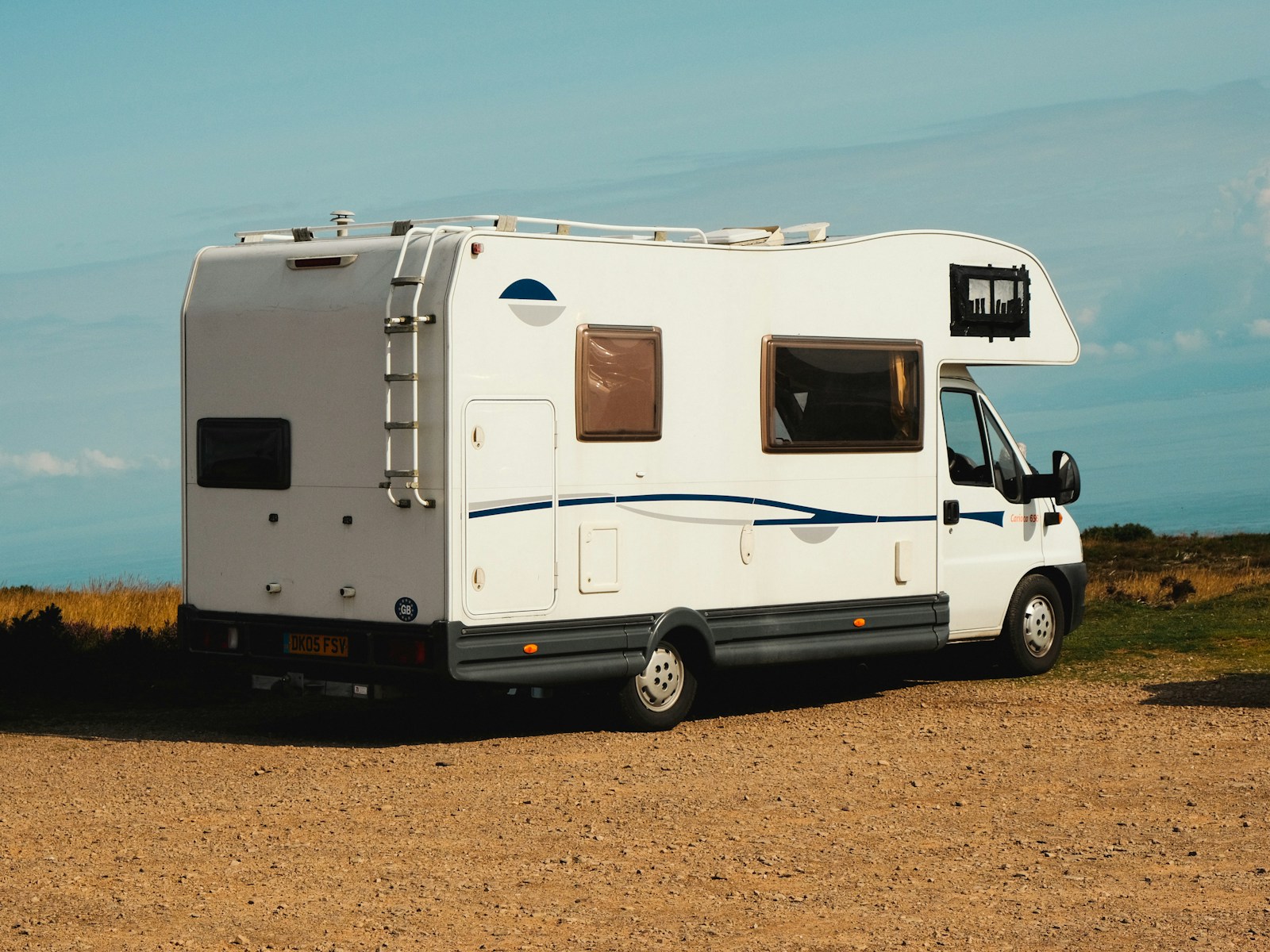
You’ve backed into your spot, leveled the camper, and found the coffee mugs. Before everyone gets comfortable, take one more walk-through.
The most useful campsite routine isn’t complicated: check your alarms, look at where exhaust can travel, keep cooking under control, and make sure everyone knows how to get outside.
1. Check the alarms before you need them
Locate your smoke and carbon monoxide alarms. Test them and check their replacement dates using the manufacturer’s instructions. A low-battery chirp deserves attention before bedtime.
Oregon’s State Fire Marshal recommends both smoke and CO alarms inside an RV and replacing CO alarms according to their manufacturer’s guidance. Source: Oregon RV safety checklist
2. Look beyond your own generator
Before running a generator, consider where its exhaust will go—and whether another camper’s exhaust could reach your space.
The U.S. Fire Administration advises directing generator exhaust away and downwind of the RV. Portable generators belong outdoors, well away from doors, windows, vents, and other openings; never operate one inside the camper or a storage compartment. Follow the equipment’s placement instructions. Sources: U.S. Fire Administration and Consumer Product Safety Commission.
Treat generator placement as a separate setup job. A convenient place to plug in isn’t necessarily a suitable place to run it.
3. Make dinner without creating a distraction
Small camper kitchens put cooking close to towels, packaging, and people passing through.
Stay in the cooking area while preparing food. If you leave, turn off the burner. Keep an accessible fire extinguisher on board and learn how to use it before an emergency. These are specific recommendations from the U.S. Fire Administration’s RV fire-safety guidance.
Give one person responsibility for the stove while someone else handles the picnic table, dog, or arriving guests.
4. Walk the escape route with everyone
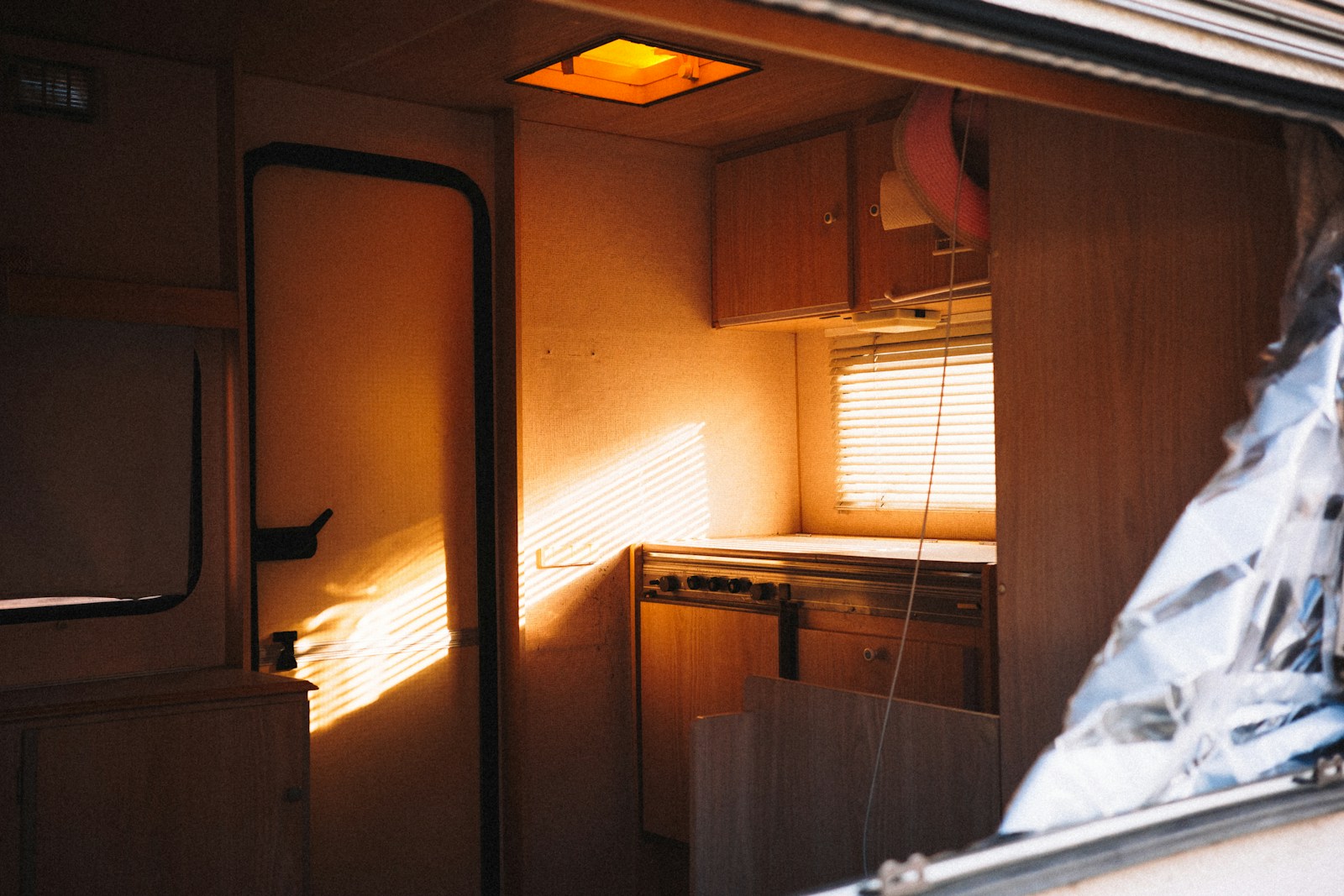
Could you reach the door in darkness? Does everyone know which window is the emergency exit?
Keep exits clear, check that emergency windows and hatches work, and practice your escape plan with everyone staying in the camper. Oregon’s guidance says that if a smoke or CO alarm sounds, get outside, stay outside, and call 911. Source: Oregon RV safety checklist
Move shoes, bags, and folding furniture before they become obstacles.
5. Make the routine easy to repeat
Keep a short arrival checklist by the entry door. Run through it after setting up at each new campsite, when the surroundings and neighboring vehicles may be different.
Your before-bed checklist
0 of 5 items checked
A few deliberate checks let you finish setting up with fewer loose ends—and get back to enjoying the trip.
Sources and photo credits
Safety information reviewed November 4, 2026.
- U.S. Fire Administration: Recreational Vehicle Fire Safety
- CPSC: Generators and Engine-Driven Tools
- Oregon State Fire Marshal: RV Safety Checklist
Photographs by Benjamin Cheng and Alexander Lunyov, via Unsplash. Credits and license links appear beneath each photograph.
Published November 4, 2026. Produced by . Sources and editorial policy.